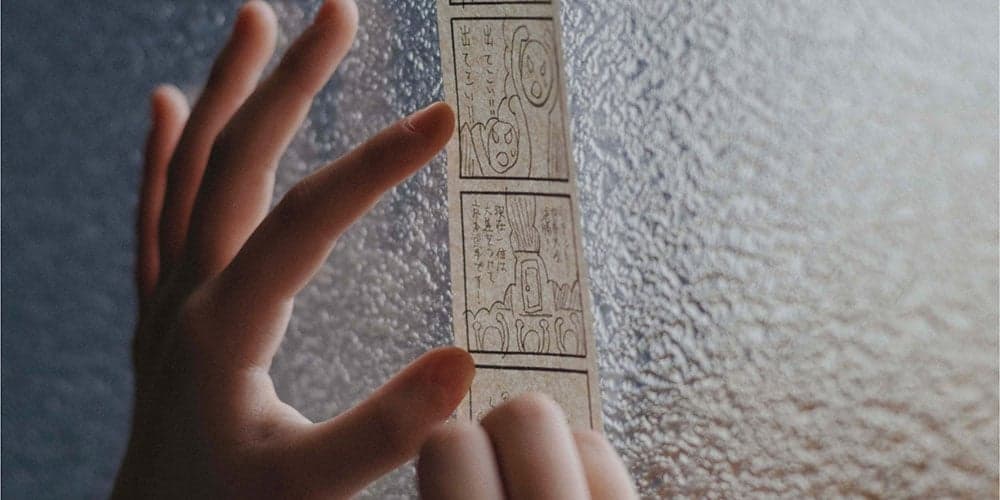
Tatsuki Fujimoto’s Look Back faces a unique challenge in its live-action iteration: following the acclaimed 2024 animated film, it must prove why this story needed to be retold. Rather than attempting to replicate the kinetic, dreamlike flourishes of its animated predecessor, this second adaptation strips away the fantastical edges to deliver a quiet, tactile experience rooted in tangible human connection.
By anchoring the narrative in subtle Japanese traditions and the real-world history of the anime and manga industry, the film reframes Fujino and Kyomoto’s artistic journey. The scratch of pen on paper, the changing seasons across rural Japan, and the heavy weight of artistic lineage give their creative partnership a deeply authentic atmosphere. Homages to industry pioneers ground their shared obsession in a specific, lived-in reality rather than abstract passion.
Where the original manga and anime kept a laser focus on the central duo, this adaptation enriches the world by expanding its supporting cast. Parents, teachers, and community members are given subtle, meaningful writing that highlights the quiet pressures, social expectations, and underlying isolation surrounding young prodigies. Kyomoto’s agoraphobia and Fujino’s stubborn pride feel less like stylized character traits and more like organic responses to their environment, making their bond feel all the more transformative.
Crucially, despite shifting from animated exaggeration to low-key realism, the film never compromises the heartbreaking soul of Fujimoto’s work. The quiet moments — a silent room filled with sketches, a rain-soaked walk home, an egret on field, and the haunting ache of unanswerable questions — hit with devastating precision.
It stands as a tender, grounded retelling that proves the story's true power never relied on spectacle, but on the bittersweet beauty of creating something for someone else. Yet, standing in the shadow of its wildly successful and faithful anime predecessor, this live-action entry inevitably feels a bit muted by comparison — a quieter, albeit worthy, companion piece to a modern classic.